Romantic Font: A Delicate Touch for Design
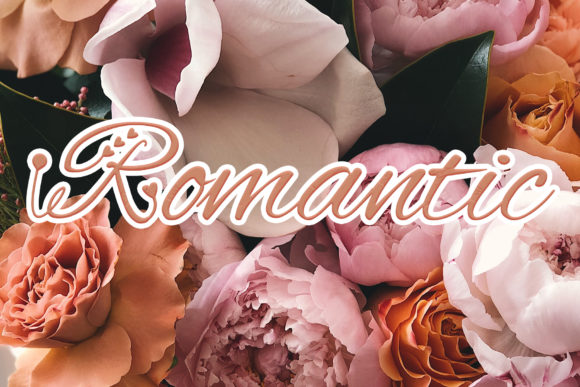
There I was, staring at a blank brand board, trying to figure out how to bring a client’s vision to life. They wanted something that felt personal, authentic, and just a little bit soft. After a few rounds of sketches and mockups, I landed on Romantic—a delicate and flowing handwritten font that seemed to whisper, “This is the one.”
Romantic has this elegant, almost whimsical quality. It’s not overly ornate, but it carries a sense of grace that feels right for brands looking to stand out without shouting. The curves are smooth, the strokes feel natural, and there’s a subtle energy in every letter that makes it perfect for projects where emotion matters.
Testing Romantic in Real Projects
I first tested Romantic on a logo draft for a small café. The owner wanted something that felt warm and inviting, like a cup of coffee on a rainy day. I played with different sizes and placements, and it worked beautifully as a headline font. The font’s fluidity gave the logo a sense of movement, making it feel alive and approachable.
When I moved to packaging design, Romantic proved its versatility. On a label sticker, it added a handcrafted touch that made the product feel more personal. It paired well with a simple sans serif for body text, creating a balance between the artistic and the functional. The contrast helped guide the eye, making the information easy to read while keeping the design fresh.
Romantic in Brand Identity
As I built out the full brand system, Romantic became a key element. It worked best as a display or logo font, especially when used sparingly. Too much of it could overwhelm, but in the right doses, it brought a sense of personality and charm that other fonts couldn’t match.
On a shop sign, Romantic had a quiet confidence. It wasn’t bold or loud, but it commanded attention in a way that felt genuine. On a business card, it added a touch of sophistication that made the brand feel more polished and professional.
Designing for Different Mediums
Romantic also shined in digital spaces. In a website header, it added a sense of elegance that complemented the overall aesthetic. On social media graphics, it brought a creative flair that stood out in a crowded feed. Whether it was an Instagram post or a flyer, the font had a way of making the message feel more heartfelt and intentional.
For editorial design, Romantic worked well as a headline or subhead. Its flow made it ideal for short-form text, like quotes or captions. It didn’t always work as a body font—readability was a concern when used in longer paragraphs—but when used correctly, it elevated the visual storytelling.
Practical Tips for Using Romantic
Before committing to a full brand system, I always recommend testing Romantic in different contexts. Try it on a mockup, see how it looks in print, and check how it pairs with other fonts. It’s a premium font, so make sure you’re using it in a way that respects its quality.
Pairing Romantic with a serif or sans serif font can create a nice contrast. A clean, modern typeface can help balance the font’s delicacy, making it more versatile for different applications. If you’re working on a project with a lot of text, consider using Romantic as an accent rather than the main body font.
Also, pay attention to the font’s styles and alternates. Some scripts have different versions of letters that can add variety and interest. Checking multilingual support and file formats is important if you’re working on a global project or need the font for multiple platforms.
Final Thoughts on Romantic
Romantic isn’t just a font—it’s a mood, a feeling, and a tool for designers who want to create something that resonates. It’s not for every project, but when the right fit comes along, it can make all the difference. Whether you’re working on a logo, packaging, or a digital campaign, Romantic brings a level of artistry that’s hard to ignore.
As a designer, I’ve found that the best fonts aren’t just about aesthetics—they’re about connection. Romantic does that. It helps tell a story, build a brand, and create something that feels real. And that’s what design is all about.