Phantom Font: Elegant Script for Web Design
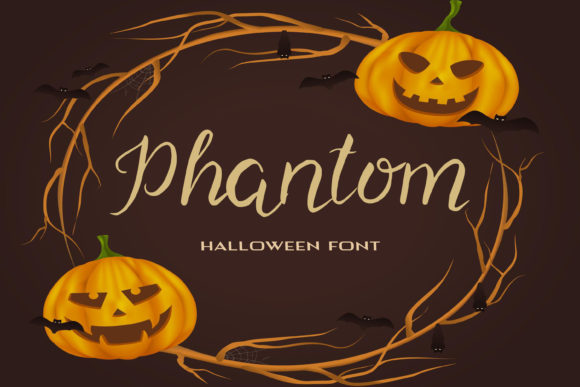
Phantom is a beautiful, delicate, and flowing handwritten font that brings a sense of sophistication to digital design. As a script amp font, it offers a unique blend of elegance and distinctiveness, making it ideal for web designers and digital creators looking to elevate their visual storytelling.
When used in web design, Phantom adds a personal touch without sacrificing clarity. Its fluid strokes and subtle variations make it perfect for headers, logos, and decorative elements where a human-like feel is desired. The font’s personality shines through in branding, helping to establish a memorable identity across digital platforms.
Phantom in Web Layouts and Branding
Phantom excels in hero sections, call-to-action buttons, and landing page headers. Its soft curves and organic flow create a visually appealing contrast against more rigid typefaces, drawing attention while maintaining readability. For example, on a creative portfolio site, using Phantom for the main title can instantly convey a sense of artistry and professionalism.
In online stores, Phantom can be used for banners and product headings, adding a touch of luxury to boutique brands. When paired with a clean sans serif font for body text, it creates a balanced layout that enhances user experience without overwhelming the reader.
Readability and Visual Hierarchy
Despite its decorative nature, Phantom maintains strong readability, especially when used in larger sizes. On mobile screens, it performs well as a headline or logo text, but should be avoided for long paragraphs. For small buttons or dense text areas, consider using a simpler font to ensure legibility.
When placed over dark backgrounds or image overlays, Phantom retains its clarity, making it a versatile choice for digital ads and social media graphics. Its weight and spacing allow it to stand out without appearing too bold or aggressive.
Phantom in Digital Products and Brand Identity
For SaaS founders and digital product creators, Phantom can be an effective tool in logo design and brand assets. Its handwritten style gives a personal and authentic feel, which is essential for building trust with users. Whether used in a coaching website or a course sales page, it reinforces a sense of approachability and creativity.
Phantom also works well in editorial design, such as blog headers or content sections. Pairing it with a serif font for body copy can create a cohesive and professional look, suitable for both modern and traditional websites.
Font Pairing and Design Applications
When pairing Phantom with other fonts, consider its role in the design. Use it as a display font for titles, headings, and short phrases, while reserving a simple sans serif or serif font for body text. This combination ensures visual hierarchy and keeps the layout organized.
For a more editorial tone, pair Phantom with a classic serif font. For a minimalist approach, combine it with a clean sans serif. These pairings help maintain balance and enhance the overall aesthetic of the design.
Practical Considerations for Web Designers
Before using Phantom in a project, check the available styles, file formats, and webfont support. Ensure that the font includes necessary weights and alternates for flexibility. Multilingual support is also important if the design targets international audiences.
Commercial font licensing is another key consideration. Make sure the license covers use on websites, client projects, online stores, and digital templates. Proper licensing protects both the designer and the end user from legal issues.
Phantom for Creative Projects and Brand Consistency
Phantom is particularly useful for creative entrepreneurs and bloggers who need a consistent online identity. Whether designing a digital brand kit or a social media graphic, this font helps maintain a cohesive look across all platforms.
Its versatility makes it a valuable addition to any design toolkit. From a product landing page to a personal blog header, Phantom adds a refined touch that aligns with modern typography trends while maintaining a distinct character.
As a premium font, Phantom offers more than just aesthetics—it supports usability, brand expression, and user engagement. For web designers and digital creators, it’s a powerful tool that enhances the visual language of any project.